
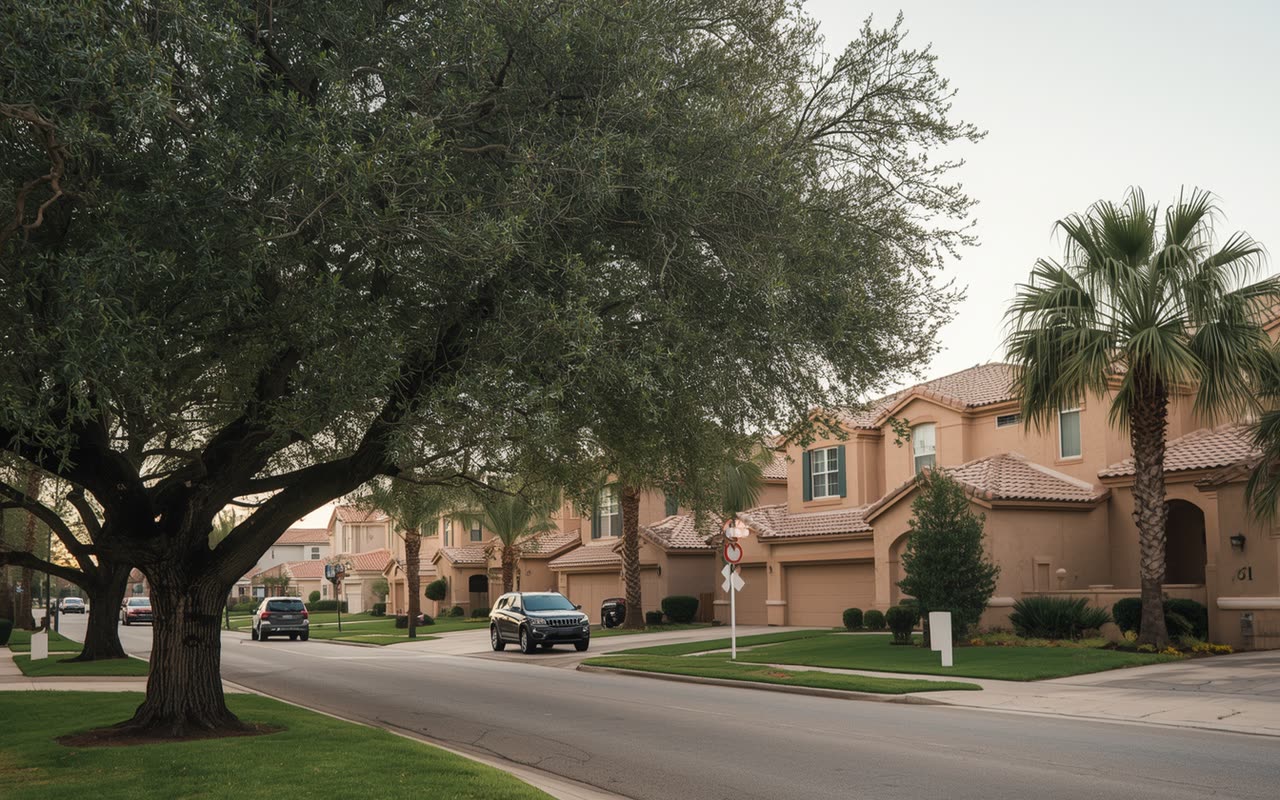
East of Tampa, Brandon grew up as a suburb, and it still reads that way: street after street of subdivisions, many with homeowner associations, many with a pond at the back or the end of the block. The houses are mostly concrete block with stucco, on slabs, and most went up somewhere between the 1970s and the 2000s.
That mix produces a recognizable set of moisture problems. They are less dramatic than surge and more steady: a roof that lets a little in, an air handler that drips a little, a lot that holds a little too much water after each storm.
Summer afternoons
From roughly June through September, the weather pattern in this part of Hillsborough County is predictable. Mornings are hot and still, clouds build after lunch, and a heavy thunderstorm arrives around mid-afternoon, often with a lot of rain in a short time and plenty of lightning.
That rhythm is hard on roofs. Shingles that have lost their grit, flashing that has pulled away from a wall, and the seals around vent pipes can all pass a light drizzle and fail in a downpour. Because the water often runs along the decking before it drips through a ceiling, the stain you see inside may be several feet from the actual breach. If you find a brown ring on the ceiling after a storm, check the attic above it with a flashlight, looking for dark wet wood, damp insulation or a trail of staining.
The attic air handler
Many homes built in the 1980s and later have the air handler in the attic. It is convenient for the builder, but it makes one failure especially costly: a clogged condensate drain.
Here is how that goes. The coil in the air handler pulls moisture out of the air, and that water has to drain away through a line. The line clogs with algae, the pan fills, and a safety switch, if there is one, may or may not shut the unit down. If it does not, water spills over the pan onto the ceiling drywall. You might notice a sagging spot, a stain that grows with the AC runtime, or a drip near a light fixture. The damage can spread across a good-sized ceiling area before anyone notices, and wet insulation up there takes a long time to dry.
Ducts in a hot attic can also sweat. When cold air runs through a duct in a very humid attic, moisture condenses on the outside, soaks the insulation and drips onto the ceiling below. The signs are damp spots in a line that follow the duct, and dark marks around supply vents.
For a closer look at why Florida air is so hard on indoor humidity, read how Florida humidity gets inside.
Retention ponds, grading and low lots
The ponds that dot Brandon's subdivisions are there for a reason: they hold stormwater so it does not flood the streets. They also tell you something about the land. Lots near a pond are often at a lower elevation, and during a big storm the water level can rise toward back yards.
Pay attention to a few things around your own house:
- Where do the downspouts empty? If they dump next to the slab, the water has a short path to the wall.
- Does the yard slope away from the house? Even a few inches of settled soil can reverse the flow.
- Are the swales between lots clear? Mulch, clippings and fences can block the shallow drainage channels.
- Do you see water at the garage door threshold? That is often the first spot where a heavy rain gets in.
Some areas near the Alafia River have flooded when the river rose after major storms, including in 2024, though the details differ from one street to the next. Do not assume your zone: the county can look it up by address. A regular homeowner policy typically leaves flood out, so any flood cover is a distinct purchase, and an NFIP policy waits 30 days before it starts. After serious flooding, flood damage restoration walks through the process.
Block, stucco and slab: what water does
A block and stucco house on a slab shrugs off many things, but when water gets in, it works sideways. It can enter through cracks in stucco, around window frames and under sliding glass doors, then wick up inside the drywall. Painted-over stains, blistered paint at the base of a wall and a musty smell in a spare room often tell the story before anything is visible.
Homes from the 1970s and 1980s may also have original plumbing: older supply lines, galvanized sections, and water heaters that are well past their typical service life. Slab leaks, where a supply pipe under the concrete develops a pinhole, show up as warm floor patches, damp carpet, or a water meter that moves when everything is off. The sudden version of that problem has its own page on burst pipes.
Where mold shows up in Brandon homes
- On ceilings below roof leaks and below the attic air handler
- On the back of walls in closets and behind furniture on the north side of the house
- In bathrooms where the exhaust fan vents into the attic rather than outside
- Under kitchen and bathroom sinks, where a slow drip can run for months
- Along garage walls and floors after storm water has crept under the door
- On the wood trim at the base of walls in rooms where the slab has wicked moisture
On a hard surface, a patch smaller than about ten square feet is usually a do-it-yourself matter under EPA advice, provided you put on an N95 respirator, gloves and goggles. Growth in an attic, inside a wall or on soaked insulation is a different matter. A mold inspection traces where the water is going with a meter and an infrared camera, and mold removal takes out what is affected and fixes the conditions.
Neighbors
Further south, Riverview has newer subdivisions with their own habits, and toward the Hillsborough River, Temple Terrace has older homes with mature trees. The Tampa home page covers the city itself.
Who this is for
Homeowners in Brandon's subdivisions who see a ceiling stain after a storm, smell mustiness near the air handler, or notice water at the garage door will find the checks here most useful. So will anyone buying a house from the 1990s or later who wants to know which parts of the roof and attic to look at. Because moisture keeps spreading when no one is looking, make the call the same hour you spot a stain.