
Tampa Bay, Florida
Mold and Water Damage Help in Tampa
A leak under the sink, a ceiling stain after a storm, a closet that smells like a wet towel. Find out what is probably going on, then talk it through with a local specialist.
- Describe it and a local specialist will tell you what to do first
- Florida humidity and storm season
- Dry first, then mold, in that order
- Plain advice before any big job
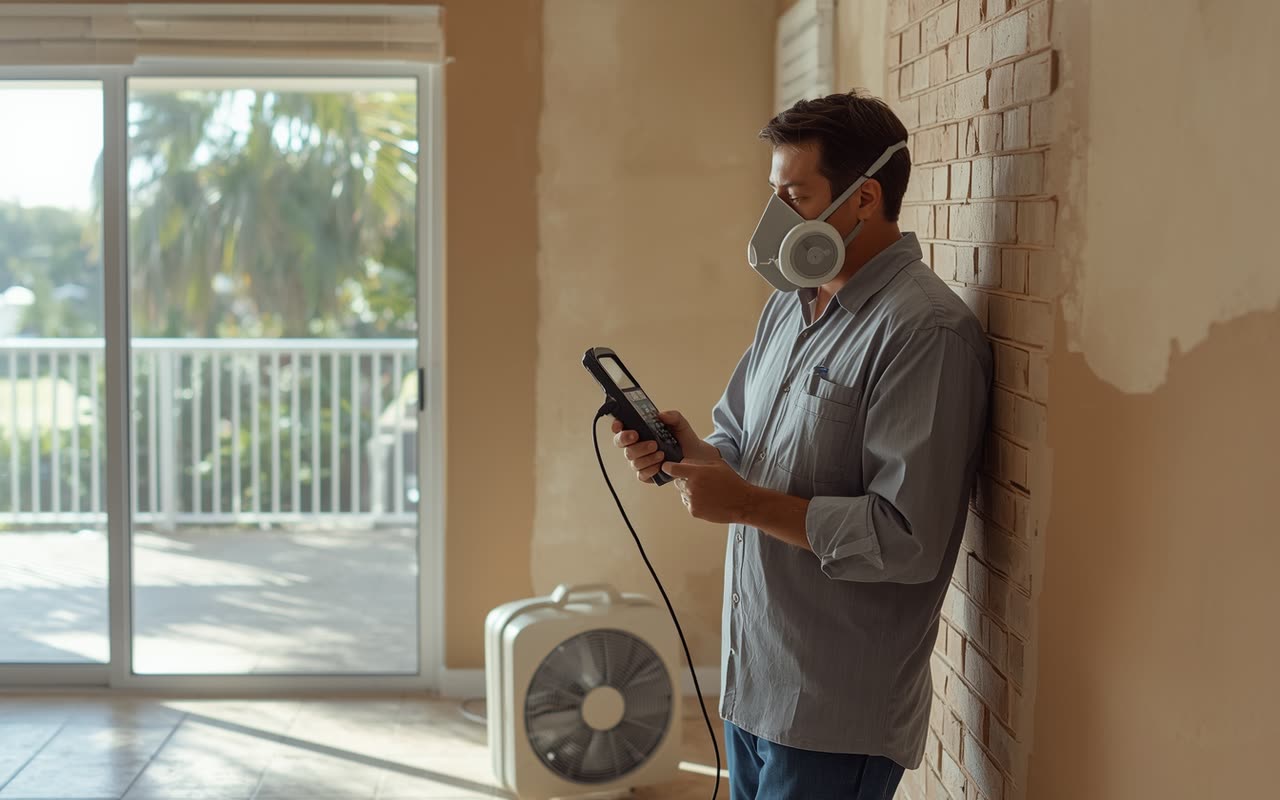
Tampa Bay Mold & Water is a mold and water damage website for Tampa and the communities around Tampa Bay, and the company behind it is a locally owned and operated restoration business. When you call the number on this page, a person who does this work for a living listens to what happened and tells you what to do first.
In this part of Florida those two problems are really one problem. Warm, wet air means that a wall soaked on Monday can be growing mold by Wednesday, so the drying decides whether you end up with a repair or a remediation. That is why the pages here start with the water and treat mold as what happens when the water stays too long.
Water damage, mold removal and inspection
What we do
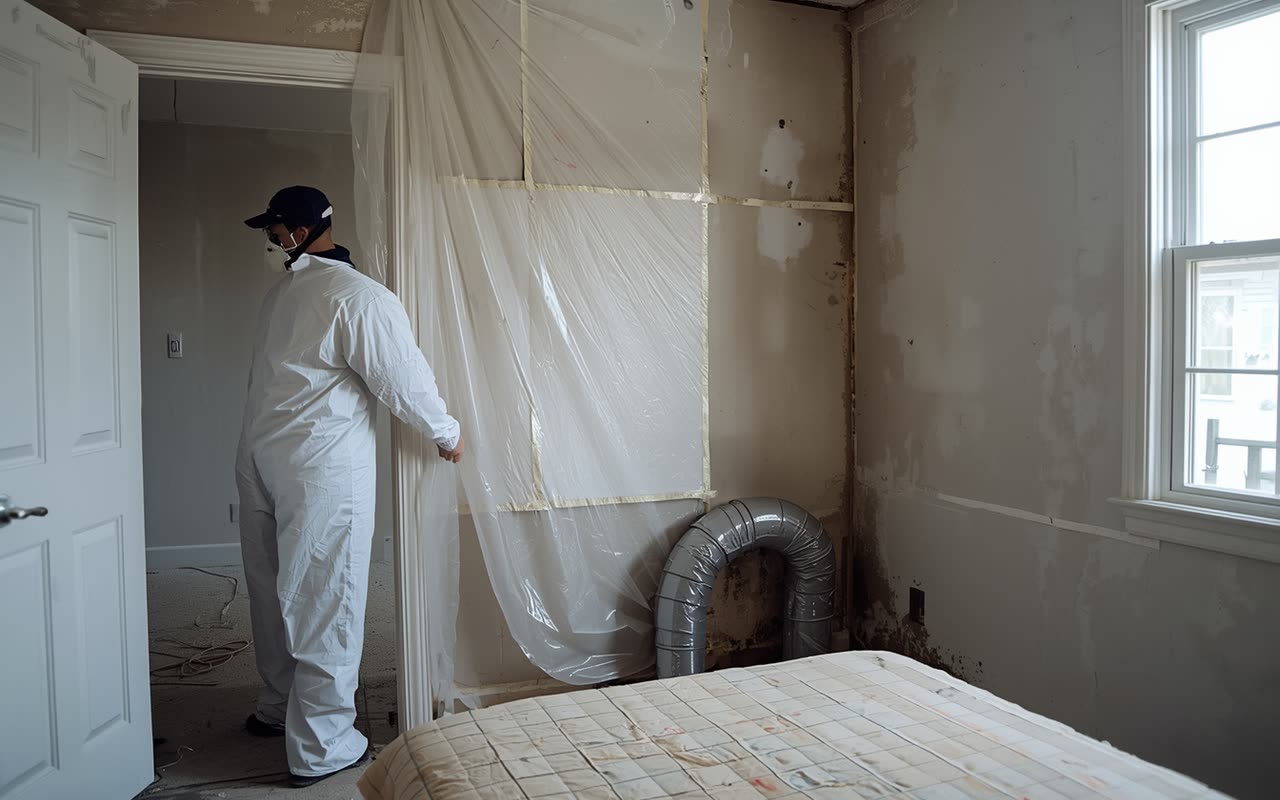
Mold Removal & Remediation
Containment, filtered air and removal of what cannot be saved, after the moisture problem is fixed. Black mold, attic and crawl space mold are covered on the page.
Details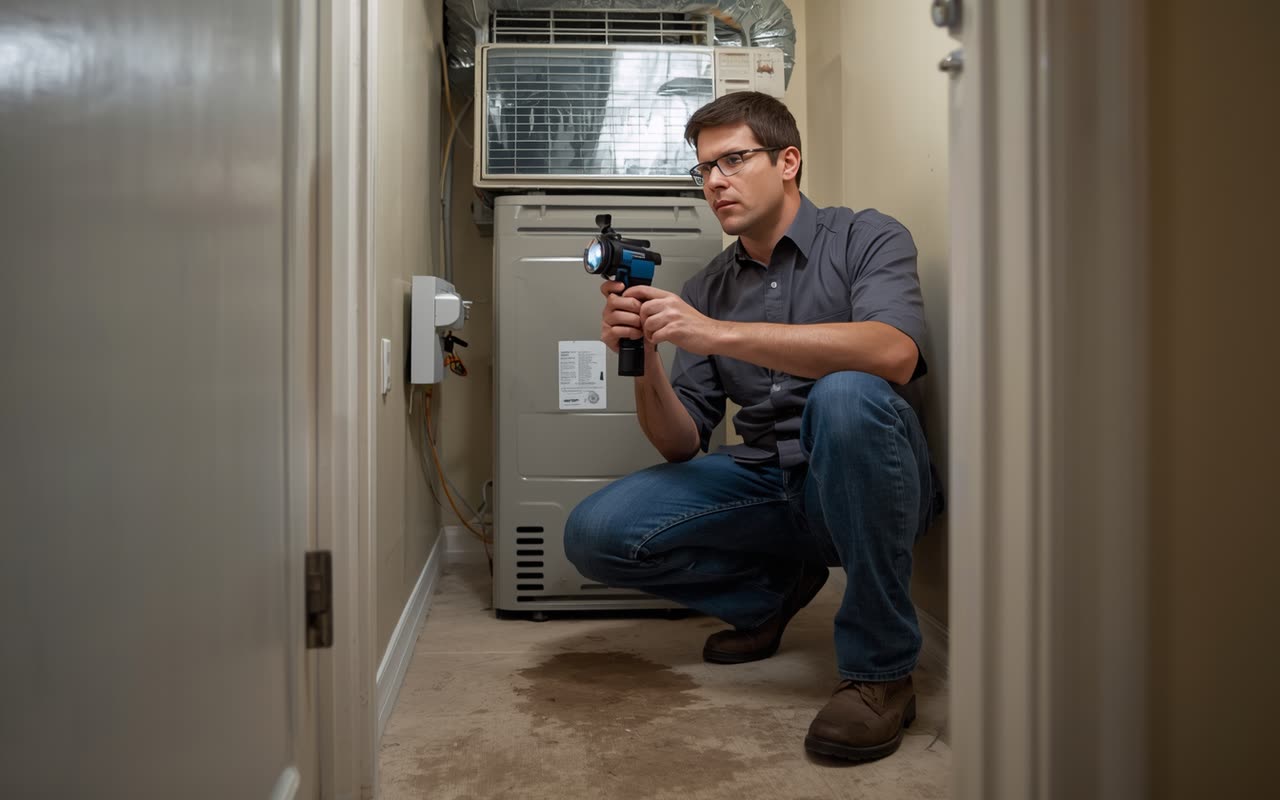
Moisture & Mold Inspection
A visual inspection with moisture readings to find where the water is and what it has reached.
Details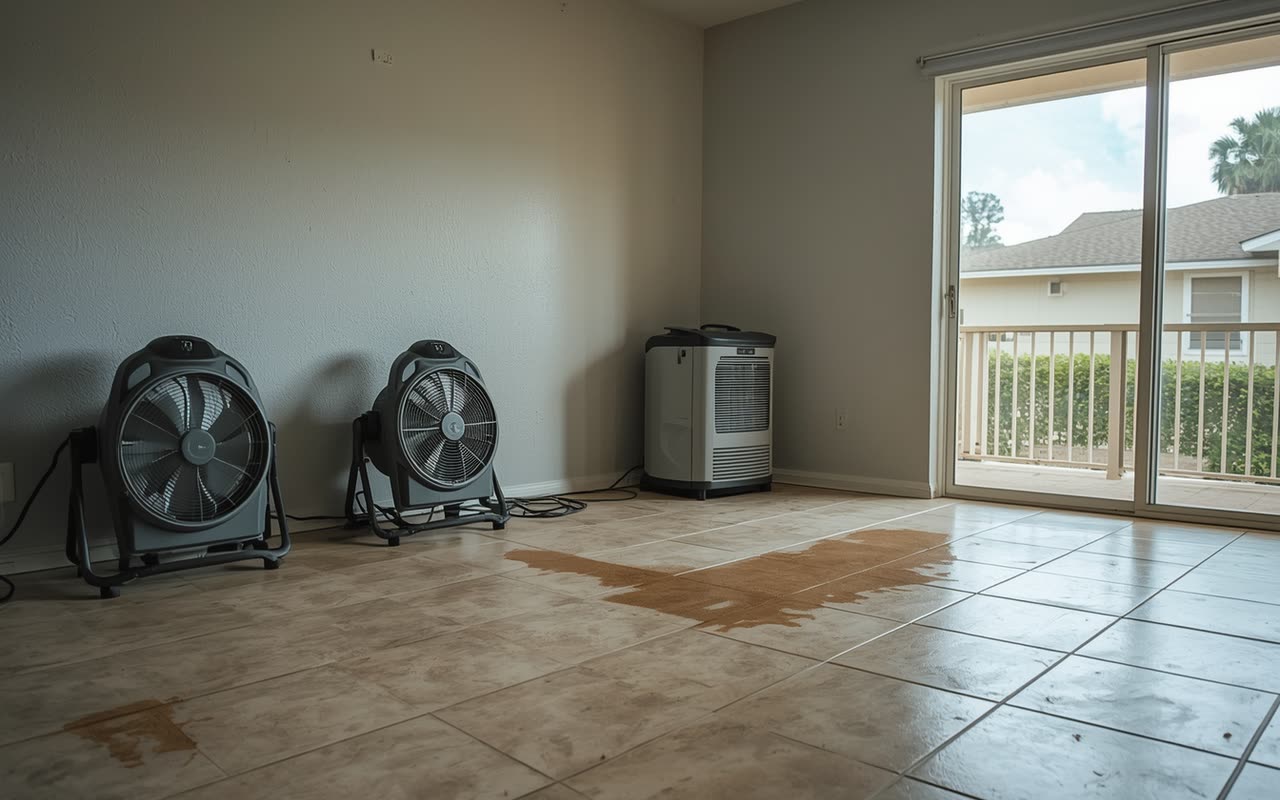
Water Damage Restoration
Extraction, drying and monitoring so walls and floors dry out before mold gets the chance to start.
Details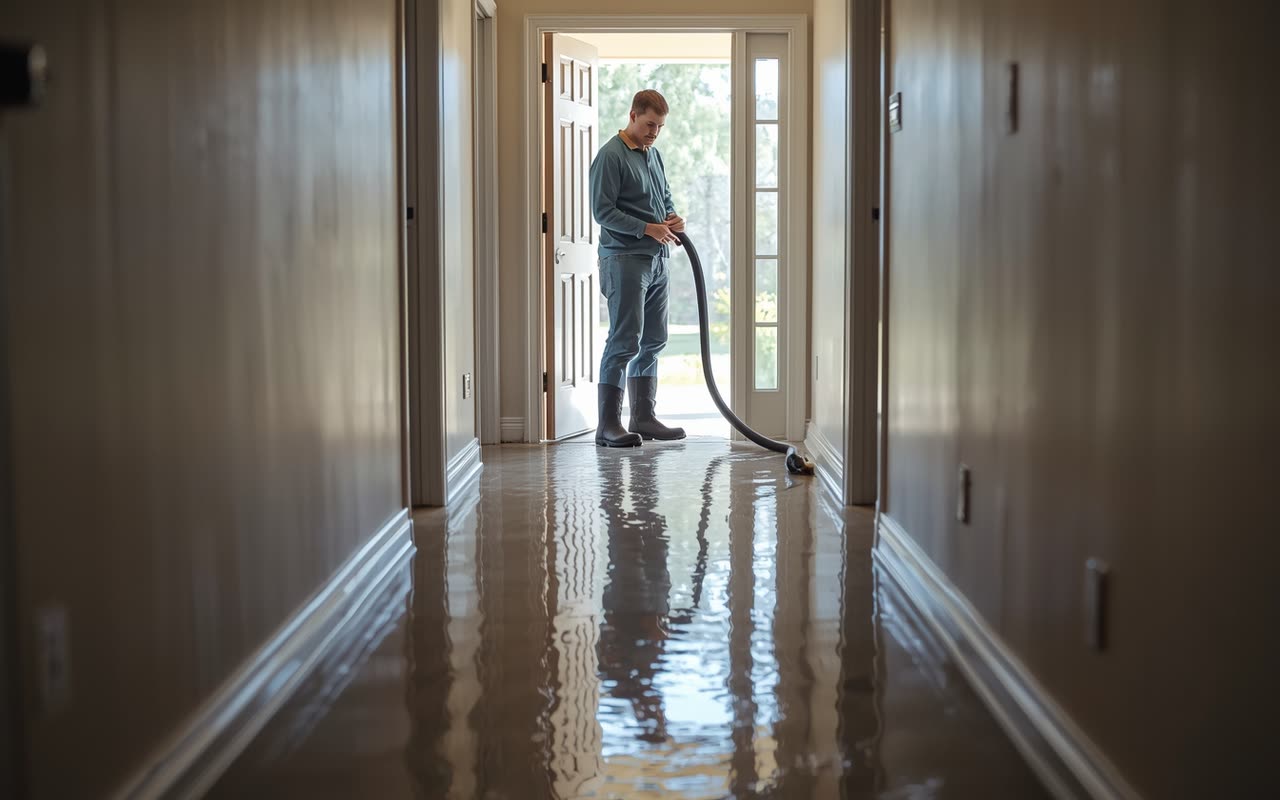
Emergency Water Removal & Extraction
Pumping and extracting standing water fast, then the first steps that protect what is still dry.
Details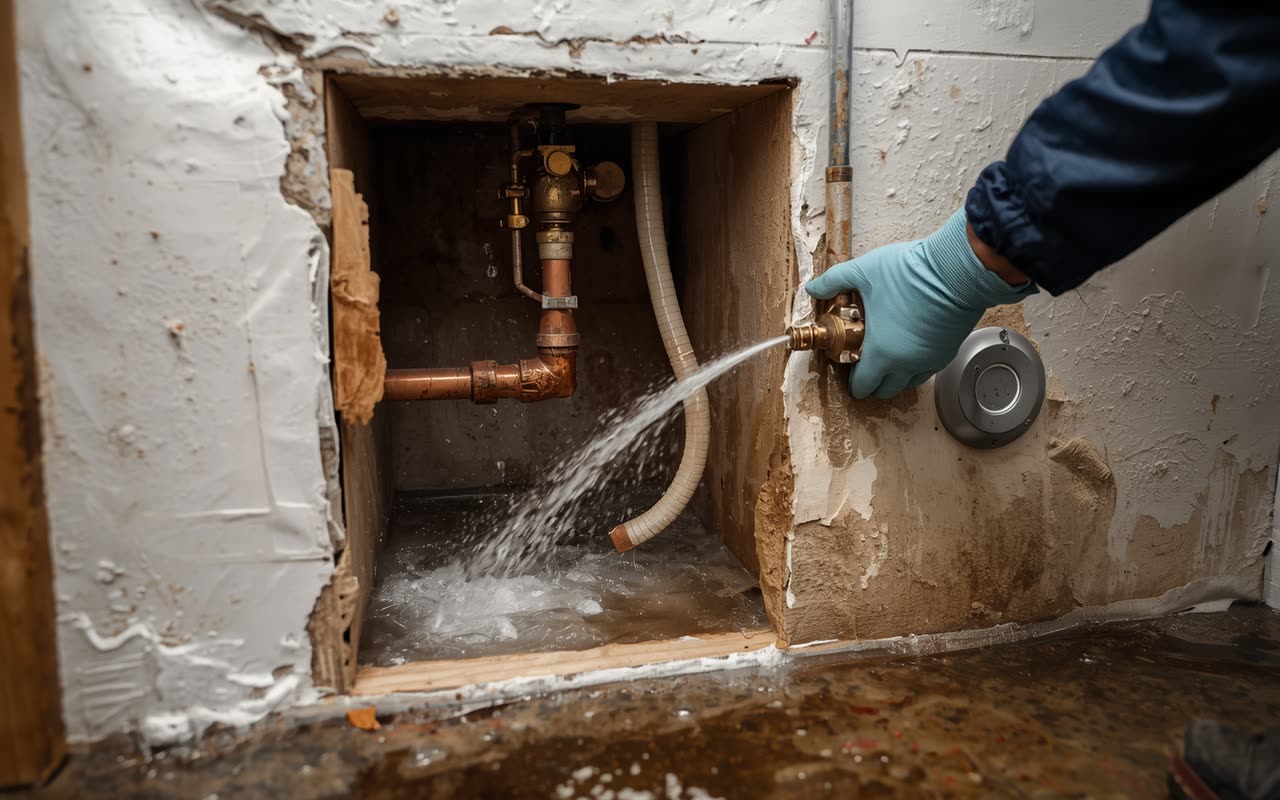
Burst Pipe & Leak Water Damage
Supply line, water heater and slab leak damage: shutting it off, finding it and drying what it reached.
Details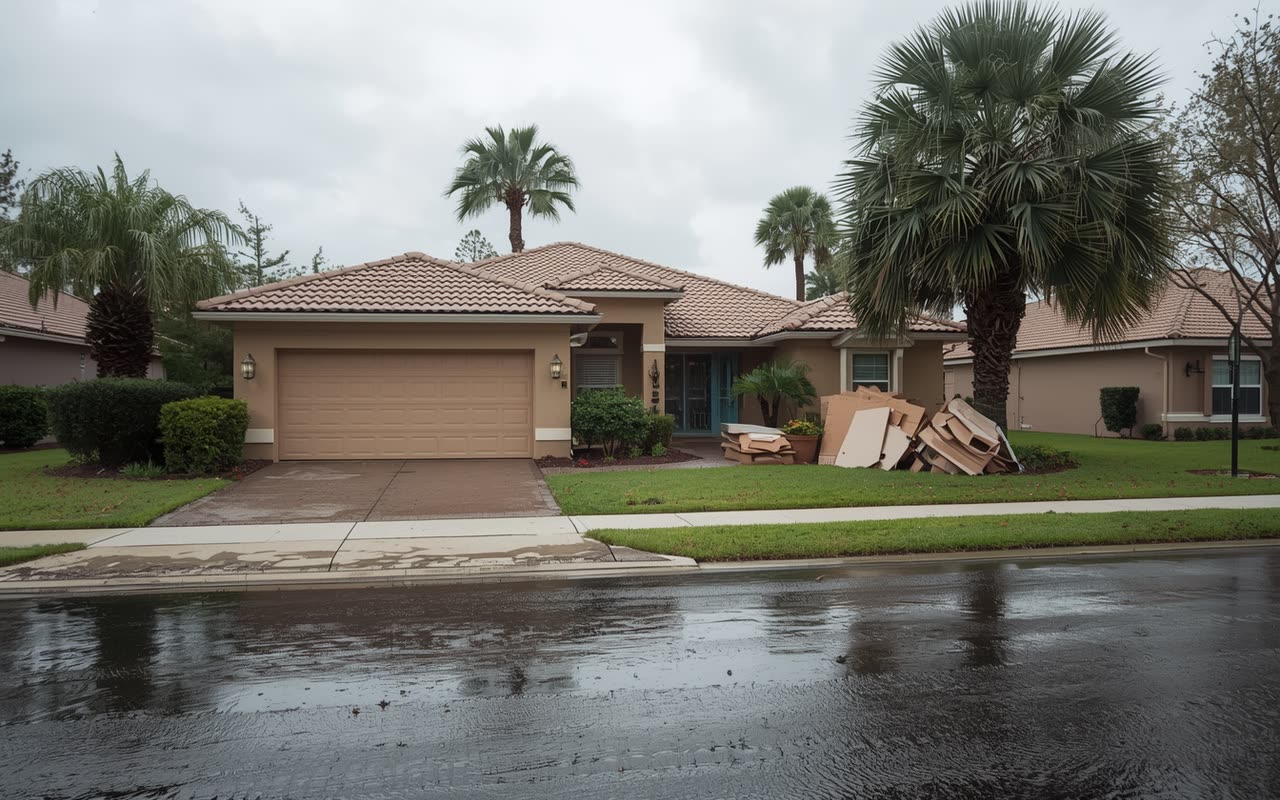
Flood Damage Restoration
Storm surge, heavy rain and rising water: what is safe to keep, what has to go and how the house dries out.
DetailsNot sure which service fits?
Say what happened and when. The specialist will tell you whether it is a drying job, a mold job or both.
Call (813) 555-0100What a sound job looks like
Why call us
Water before mold
In Florida humidity, wet material grows mold in a day or two. Drying quickly is the strongest mold prevention there is.
Measured, not guessed
Moisture readings at the start and at each visit show when a wall is actually dry.
Sealed work area
Plastic barriers and filtered air machines keep spores and dust out of the rest of the house.
Written scope and photos
Ask for both. A job with no paper trail is hard to judge afterward or to document for an insurer.
Tampa and the surrounding Tampa Bay communities
Where we work
Mold and water damage help in Tampa and across Hillsborough, Pinellas and Pasco counties.
How a water or mold call goes
What happens next
- 1
You call and describe it
What happened, where, when, and whether the water is still coming in. Owning, renting or selling changes what comes next.
- 2
Stop and find the water
A shut-off valve, a meter and a careful look. The first job is always the source, because wet material keeps feeding both damage and mold.
- 3
Dry what can be dried
Extraction, air movement and dehumidification, with readings taken each visit so the drying is measured, not guessed.
- 4
Agree the scope in writing
What comes out, what stays, how the work area is sealed and what it costs, before anything is demolished.
- 5
Remove, recheck and rebuild
Any mold removal and a final look at the moisture readings, so you know the structure is dry before the walls close up.
Frequently asked questions
Questions
How fast does mold start after water damage in Florida?
Often within 24 to 48 hours on wet drywall, wood, insulation or fabric, because the air is warm and already humid. Drying quickly is the strongest prevention. See the first 24 hours after water damage.
Can I just open the windows and run fans?
Usually not. Outdoor air in Tampa Bay is often as wet as the air inside, so it adds moisture instead of removing it. Drying a building here typically means keeping it closed and running dehumidifiers, with air movers directed at the wet materials. The water damage restoration page explains why.
Do I need to hire anyone for a small patch of mold?
Not always. The EPA says a patch smaller than about ten square feet on a hard surface can often be handled by the homeowner, wearing an N95 respirator, gloves and eye protection, if nobody at home is sensitive to mold. Mold in drywall, insulation or ceilings, larger areas, and mold that returns need more. See mold removal.
Do you test the air for mold?
No. This service is a visual moisture and mold inspection with a moisture meter, thermal camera and humidity readings. Air and surface sampling, and written mold assessments, are separate services in Florida that need a state-licensed mold assessor, and anyone who wants sampling should hire one independently. See moisture and mold inspection.
Start with what you are seeing
- Water is on the floor right now: read about emergency water removal and extraction, and the hour-by-hour guide to the first 24 hours after water damage.
- A pipe burst, a water heater failed or a supply line let go: burst pipe and leak water damage covers shutting it off, finding hidden leaks and drying what the water reached.
- The house flooded in a storm or from rising water: flood damage restoration and the guide to mold after a hurricane or flood in Tampa Bay.
- It dried but you can still smell it, or you can see dark spots: mold removal and remediation explains the sequence of a proper job, including black mold, attics and crawl spaces.
- You are not sure where the moisture is coming from: a moisture and mold inspection uses a moisture meter and thermal camera to find it without tearing walls open.
- The house always feels damp: start with the guide to humidity and mold in Florida homes.
Why Tampa Bay houses are hard on moisture
Most homes here sit on concrete slabs, so water that gets in does not run down and away. It soaks sideways into drywall, baseboards and cabinets, and slab leaks can hide under the floor for months. Summer brings near-daily thunderstorms, roofs and stucco take a beating, and air conditioners work almost all year, which means condensation lines and ducts are always one clog from soaking a ceiling. Add hurricane season and a shallow bay, and flooding from storm surge or heavy rain is part of the picture for many neighborhoods, as the 2024 storms showed.
Honest advice, including when you do not need anyone
A patch of mold smaller than about ten square feet on a hard surface can often be handled by a homeowner wearing an N95 respirator, gloves and eye protection, as long as nobody in the house is especially sensitive to mold. The pages here say so, and they also say where a professional is worth calling: mold in drywall or insulation, anything you can smell but not find, water that has been wet for more than a day or two, and any job involving contaminated water.
Where the help covers
Tampa itself and the communities around it in Hillsborough, Pinellas and Pasco counties. The service areas page has local notes on housing and moisture habits in St. Petersburg, Clearwater, Brandon, Riverview and Wesley Chapel.
Guides
Three longer guides go deeper: mold after a hurricane or flood in Tampa Bay, humidity and mold in Florida homes and the first 24 hours after water damage.
Water in the house or mold on the wall? Call and talk it through.
Describe what you are seeing and a local specialist will tell you what to do first.